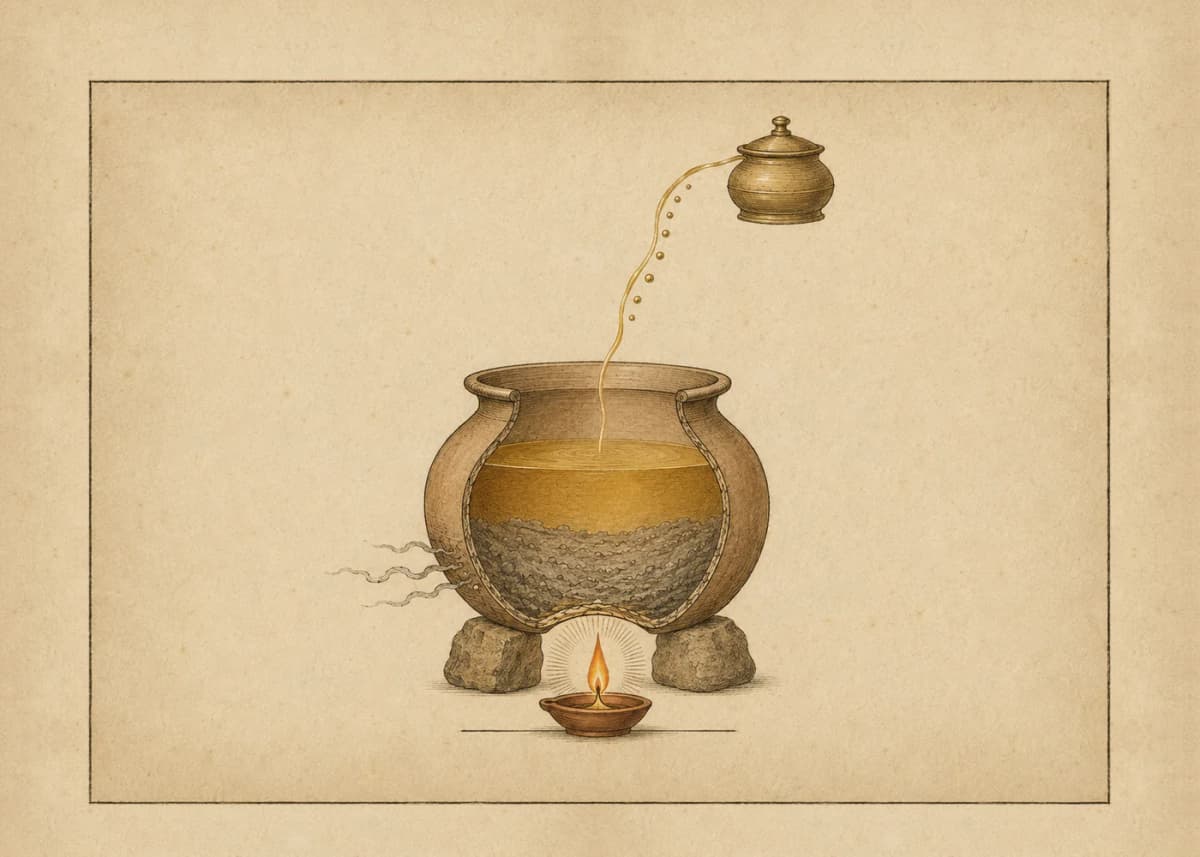
Pregnancy through Ayurvedic lens: Garbha Vriddhi and Garbha Paricharya
Have you ever wondered how a baby grows inside the womb? Can a mother's daily routine and diet influence this incredible journey? And what does Ayurveda have to say about it?
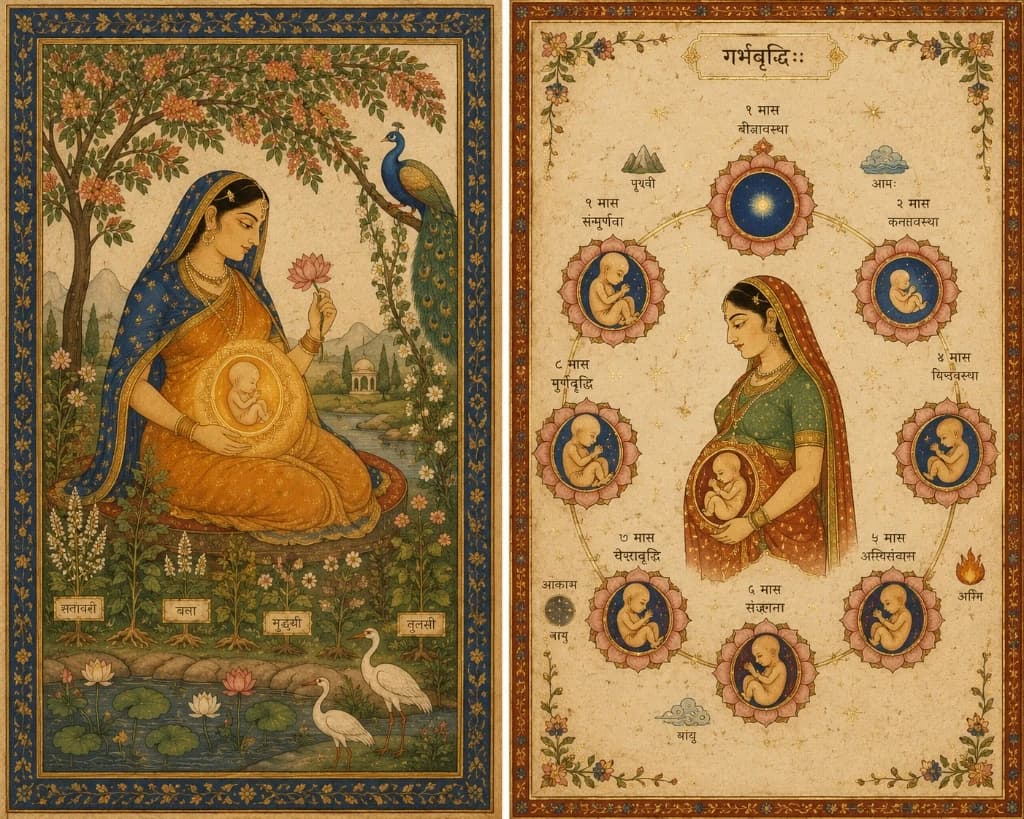
Pregnancy is one of the most beautiful yet challenging phases of a woman's reproductive life. While it brings the joy of nurturing a new life, it also demands special attention to the mother's physical, mental, and emotional well-being. Ayurveda offers a holistic approach to this journey through the concepts of Garbha Vriddhi¹ (fetal development) and Garbh Paricharya² (antenatal care). In this blog, we'll explore how Ayurveda describes the baby's development during pregnancy, the maternal care recommended at each stage, and how these concepts can be understood alongside modern perspectives on pregnancy.
First Trimester
According to Ayurveda, the first trimester is the foundation of fetal development. Classical texts describe this as the stage when the Tridoshas and Panchamahabhutas influence the developing embryo. By the third month, five buds become visible, which later develop into the head and four limbs. Interestingly, modern embryology also identifies this period as the phase of rapid organ and limb formation. To support healthy fetal growth, Ayurveda recommends a nourishing diet consisting of milk, ghee, rice, fresh fruit juices, and naturally sweet, cooling foods that are easy to digest.
Second Trimester
Second trimester sets an important milestone as clear differentiation of body parts and organs becomes prominent, and the Hridaya (heart) is well established as the seat of Chetana (consciousness). The fetus becomes stable (Garbha Sthirata). Also, the mind becomes clearly manifest and intellect (budhi) is formed in fifth and sixth month respectively.
In Modern embryology³, the fetus has well-formed limbs, facial features, and major internal organs. The heart is fully formed and functions efficiently, pumping blood throughout the body. Fetal movements also become more coordinated, although they may not yet be felt by all mothers.
Across the second trimester, Ayurvedic dietary recommendations progressively shift from light, nourishing, and hydrating foods to protein-rich, blood-building, and strengthening foods like ghee, rice with curd, meat soup, apple, pomegranate, etc. Interestingly, this aligns with modern nutritional advice, which recommends an increased intake of protein, iron, calcium, healthy fats, and fluids during the second trimester to support rapid fetal growth, organ maturation, and maternal health.
Third Trimester
The third trimester marks the final stage of your pregnancy. Third trimester is when the fetus becomes completely developed and gets ready for delivery. Classical texts states that in eight months, Ojas (immunity) becomes unstable so it is not safe to deliver the baby in this month. However, birth can take place in ninth or tenth month.
Modern embryology says that during the final trimester, rapid fetal weight gain, maturation of the lungs and brain, accumulation of body fat, strengthening of the immune system, and preparation for birth takes place. By the end of this trimester, the fetus is fully developed and capable of surviving independently outside the uterus.
Ayurvedic dietary recommendations for this trimester shift from promoting fetal tissue growth to preparing both the mother and fetus for childbirth. The emphasis is on light, lubricating, and easily digestible foods, adequate hydration, and maintaining maternal strength while minimizing digestive stress. Many recommendations, such as consuming soft foods and staying well hydrated, parallel modern prenatal advice, although procedures like Anuvasana Basti and vaginal oil application are traditional Ayurvedic practices.
Conclusion
Pregnancy is a transformative journey that requires proper nutrition, emotional well-being, and regular medical care. Ayurveda’s concepts of Garbha Vriddhi and Garbha Paricharya emphasize month-wise care for both mother and fetus, many aspects of which align with modern understanding of fetal growth and maternal nutrition. While some classical recommendations remain relevant today, others should always be followed under the guidance of qualified healthcare professionals. Integrating evidence-based modern obstetrics with appropriate Ayurvedic principles may help support a healthier pregnancy.
Disclaimer: This article is for educational purposes only and should not replace professional medical advice. Pregnant women should consult their obstetrician or a qualified Ayurvedic physician before making dietary or lifestyle changes.
References
- Arvind Kumar Yadav, Basanti Guru, Shiba Datta Panda,
Ravindra Singh Baghel - A Comparative Study of Masanumasik Garbha Vikas Krama according to Ayurveda with Its Clinical Importance - Journal of Ayurveda and Integrated Medical Sciences
- Vaidya Mrs. S Koppikar – Garbhini Paricharya (Regimen for
the pregnant woman) – National Library of Medicine – PubMed Central
- Fetal Development – Cleveland Clinic
Educational content, not medical advice. Ayurveda is complementary to medical care, never a replacement for it. Talk to a Vaidya or your doctor before changing anything you take.
Five minutes. No card.