From Panta Bhat to Solkadhi: 7 Probiotic Indian Comfort Foods Better Than Kombucha
Long before kombucha hit Indian shelves, regional kitchens were already fermenting rice, millet, and vegetables into gut-friendly staples — here's the science (and Ayurveda) behind 7 traditional ferments worth bringing back.
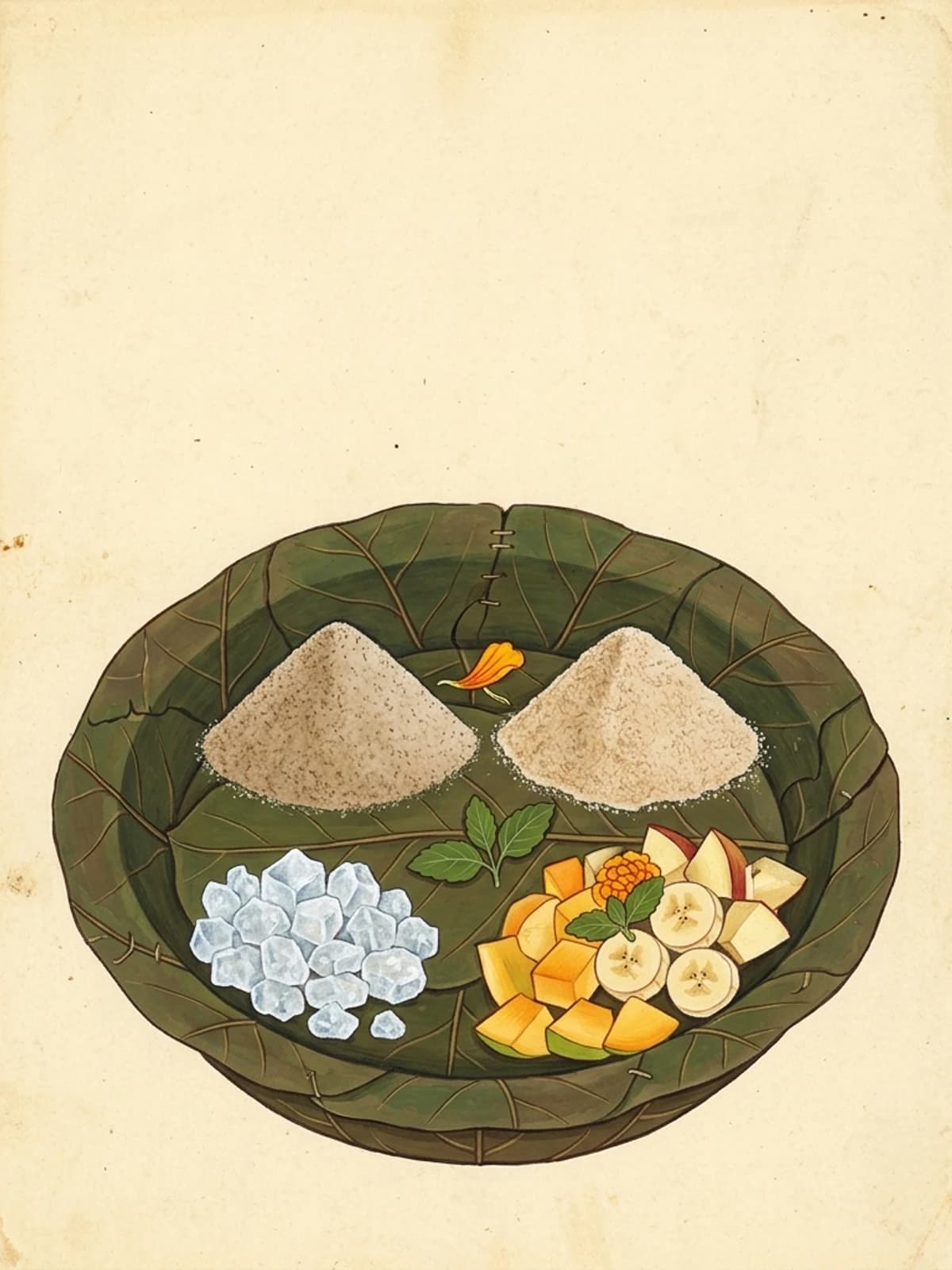
Somewhere between the kombucha aisle and the ₹400 probiotic capsules, we forgot something simple: our grandmothers were running gut microbiome experiments in their kitchens long before anyone coined the term "SCFA." No SCOBY hotels, no imported starter cultures — just leftover rice, a clay pot, and a humid Indian afternoon.
Traditional Indian kitchens didn't need lab coats to figure out fermentation. They had heat, humidity, and generations of trial and error — which, as it turns out, is exactly what good fermentation science requires. Modern microbiome research is now catching up to what regional kitchens across India have practiced for centuries. Here are seven fermented, probiotic-rich foods that deserve a place back on your plate — and a quick look at the science and Ayurvedic logic behind why they work.
The Science Bit, Quickly
Before we get to the food, a fast primer on why fermentation matters for gut health.
When beneficial bacteria — mostly lactic acid bacteria (LAB) — break down starches and sugars in rice, millet, or vegetables, they produce short-chain fatty acids (SCFAs) like butyrate, acetate, and propionate. SCFAs are the preferred fuel source for the cells lining your colon, they help regulate inflammation, and they play a role in everything from glycemic control to immune signalling. Fermentation also increases the bioavailability of minerals like iron, zinc, and B-vitamins by breaking down phytic acid, the "anti-nutrient" that normally blocks their absorption.
Ayurveda arrived at similar conclusions through a different lens. Fermented foods are considered laghu (light) and easy on Agni (digestive fire), and many of the classic fermented preparations — Panta Bhat, Solkadhi, Kanji — are specifically prescribed as Pitta-pacifying: cooling, sour-and-mild in taste, and ideal for the peak summer months when digestive heat runs high.
Modern gut science and Ayurvedic dietetics are, quite literally, describing the same food from two directions.
1. Panta Bhat / Pakhala — The Original Fermented Rice
Known as Panta Bhat in Bengal, Pakhala in Odisha, and Poita Bhat in Assam, this dish is made by soaking cooked rice in water overnight, letting it ferment mildly at room temperature. By morning, naturally occurring bacteria have gone to work on the starches.
This isn't folk wisdom without backing anymore. Researchers at AIIMS Bhubaneswar studying Odisha's Pakhala found that the fermentation liquid, called torani, is rich in short-chain fatty acids along with antiviral peptides and anti-inflammatory compounds — findings the team specifically connected to immune support and even malnutrition management in low-resource settings. Separate microbiome sequencing work on Panta Bhat identified two dominant probiotic bacterial strains, Leuconostoc lactis and Weissella confusa, both known for their lactic-acid-producing, pathogen-suppressing properties. The same soaking process also measurably increases free iron, zinc, calcium, and magnesium in the rice.
Ayurvedically, this is peak Pitta-season food: cooling, hydrating, and gentle on digestion — traditionally eaten with mustard oil, raw onion, and green chili to balance its cold potency.
2. Solkadhi — Coastal Maharashtra's Cooling Digestive
A rosy, tangy elixir from the Konkan coast, Solkadhi is made by combining kokum extract with coconut milk, often finished with a tempering of garlic, cumin, and curry leaves. It's traditionally served after a heavy seafood meal — and that's not a coincidence.
Kokum is a natural digestive stimulant and has documented anti-acidic properties, while the buttermilk or fermented coconut base carries a mild lactic acid content. Ayurveda classifies Solkadhi as deepan and pachan — appetite-kindling and digestion-supporting — and specifically prescribes it for excess Pitta, acidity, and post-meal heaviness. Its natural cooling effect makes it a go-to in Goa and coastal Maharashtra's punishing humidity.
For readers searching "Solkadhi benefits": think of it as India's answer to a digestive bitters shot — minus the alcohol, plus a gut-friendly base.
3. Ambil (Nachni Ambil) — Maharashtra's Fermented Millet Porridge
Ambil is a soured, thin porridge made from ragi (finger millet) flour, left to ferment lightly overnight before being cooked and finished with buttermilk, cumin, and a little jaggery or salt. It's a Maharashtrian summer staple precisely because it's so cooling.
Ragi itself is already a nutritional powerhouse — high in calcium, iron, and fibre — and the overnight fermentation step further breaks down its starches, making the finished porridge easier to digest than plain ragi malt. It's worth being precise here: ambil is soured before cooking, and the cooking step means it isn't a guaranteed source of live cultures the way raw ferments are. Its gut-health value comes more from improved digestibility and mineral availability than from a large dose of live probiotics — still a meaningful upgrade over refined-flour breakfasts.
4. Kanji — North India's Fermented Carrot Tonic
A winter classic from Punjab, Delhi, and UP, Kanji is made by fermenting black carrots (or beetroot, in some households) with mustard seeds, black salt, and water, left in the sun for several days until it turns a deep purple and develops a sharp, tangy bite.
This one has solid lab backing: a study from Punjab Agricultural University found Kanji's lactic acid bacterial count climbed dramatically over fermentation, with Pediococcus acidilactici identified as a strong probiotic strain, alongside high antioxidant activity and phenolic content. It's one of the few plant-based, dairy-free probiotic beverages traditional to India — genuinely comparable to kombucha in mechanism, if not in marketing budget.
Ayurvedically, Kanji is used to stoke Agni during winter, when a heavier, mustard-forward ferment suits the season better than a purely cooling one.
5. Fermented Idli-Dosa Batter — The Everyday Ferment You Already Eat
If you've had idli or dosa for breakfast, you've already been eating a fermented probiotic food — you just didn't clock it as one. The rice-and-urad-dal batter is left to ferment for 8-12 hours, during which naturally occurring yeasts and lactic acid bacteria multiply, producing the characteristic sourness and rise.
This fermentation step does real nutritional work: it increases B-vitamin content, improves protein digestibility, and reduces phytic acid — meaning the minerals in the dal and rice become more absorbable than in their unfermented form. It's arguably the most widely eaten fermented probiotic food in the country, hiding in plain sight on breakfast tables from Chennai to Mumbai.
6. Thayir Sadam (Curd Rice) — South India's Gut-Soothing Finisher
No South Indian meal is considered complete without a final course of curd rice — rice mixed with fresh dahi and tempered with mustard seeds, curry leaves, and asafoetida. The curd itself is a live-culture ferment rich in Lactobacillus strains, and mixing it with cooked rice creates a mild, easily digestible combination that Ayurveda uses specifically to cool and settle the system after a spiced meal.
It's the simplest entry on this list to make, and arguably the easiest one to build into a daily habit — a spoonful of live dahi with your dinner is a low-effort, high-consistency way to feed your gut flora.
7. Chaas — Spiced Buttermilk, India's Original Probiotic Drink
Churned from dahi and diluted with water, then spiced with roasted cumin, ginger, and curry leaves, chaas is probably the most consumed fermented drink in the country — served at weddings, roadside dhabas, and family lunches alike. Its live lactic acid cultures support digestion, and Ayurveda considers it one of the best remedies for a sluggish Agni, particularly after a rich or oily meal.
Unlike kombucha, chaas requires no brewing time, no SCOBY, and no waiting — just curd, water, and a blender.
The Bigger Picture
None of these foods needed a marketing campaign, a subscription box, or an imported starter culture to work. What they needed was a humid climate, a clay pot, patience, and generations of people paying close attention to how food made them feel. Modern microbiome science is essentially re-discovering, one SCFA study at a time, what regional Indian kitchens already encoded into daily practice.
If you're building a gut-health routine, you don't need to start with a $6 bottle of kombucha. Start with what's already sitting in your fridge from last night's dinner — some leftover rice, and a bowl of water.
Educational content, not medical advice. Ayurveda is complementary to medical care, never a replacement for it. Talk to a Vaidya or your doctor before changing anything you take.
Five minutes. No card.