Liù Zì Jué
Six Healing Sounds
Six quiet sounds on six long exhales, one for each organ system.
How to do it
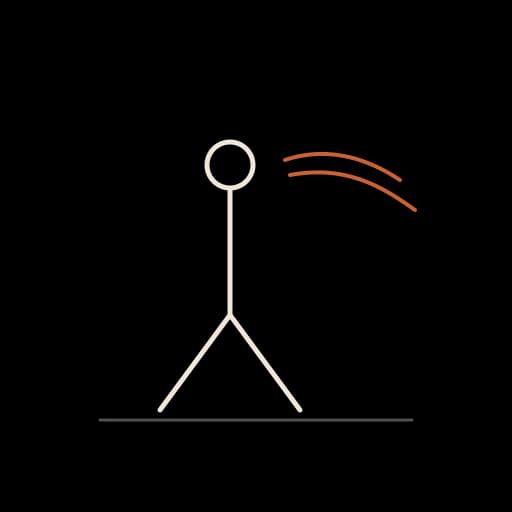
Breathe in quietly through the nose, then make one soft sustained sound on the whole out-breath — traditionally six sounds, one per organ system, three breaths each. Keep every sound quiet enough that someone in the next room wouldn't hear it. Rest for a breath between sounds.
SeatedSeated — exactly the same.
The sequence
6 steps- 1XŪ (嘘) — LiverA soft breathy 'shhh'. Three long exhales.
- 2HĒ (呵) — HeartAn open 'haaa', as if fogging a window. Three exhales.
- 3HŪ (呼) — SpleenA rounded 'hoo', lips forward. Three exhales.
- 4SĪ (呬) — LungsA thin 'sss' through the teeth. Three exhales.
- 5CHUĪ (吹) — KidneysA blowing 'chway', lips pursed as if cooling tea. Three exhales.
- 6XĪ (嘻) — Triple BurnerA light 'sheee', almost a laugh. Three exhales, then sit quietly.
What it does
When you'll be given it
Where it comes from
Another traditionChinese qigong — not Ayurvedic.
Take care
Keep the sounds soft. Skip it with a sore throat, and never strain the voice.
Not sure whether it suits you? Ask a Vaidya.
There's no button here to start this. Your practice is prescribed each morning — that's what keeps the dose honest.